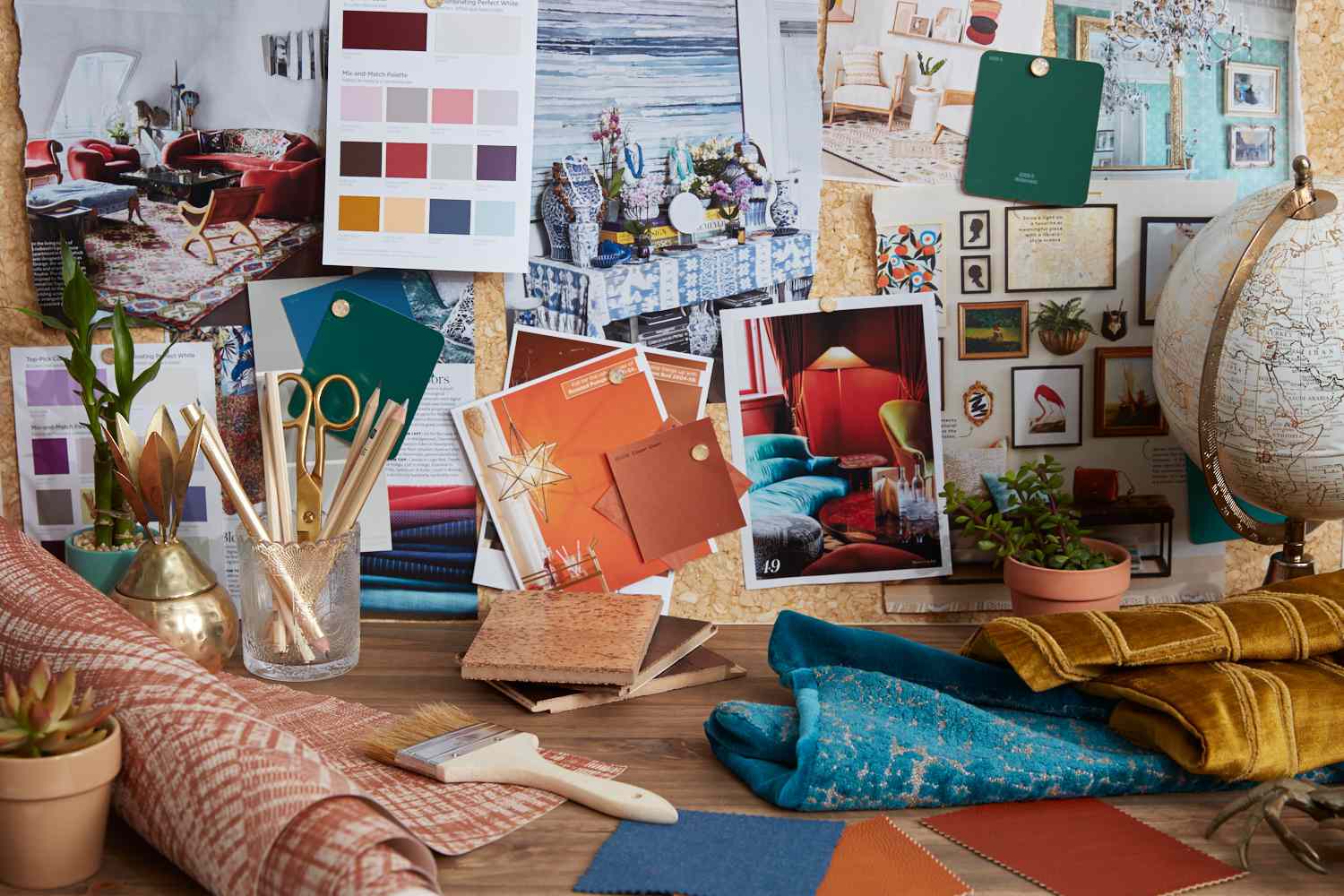
Bohemian style interiors, often just called boho, feel like a warm hug from a well-traveled friend. It’s that cozy corner of your home where rules don’t apply, and every item has a story—maybe a rug from a Moroccan market or a vintage lamp you found at a flea market on a rainy afternoon. If you’ve ever walked into a space that instantly makes you exhale and smile because it feels lived-in and personal, chances are it had bohemian vibes.
This style draws from 19th-century artists and nomads who rejected stuffy conventions for creative freedom. Think Paris garrets filled with mismatched treasures, or global wanderers bringing home textiles and trinkets. Today, boho interiors celebrate individuality, comfort, and a bit of joyful chaos. No two boho rooms look exactly alike, and that’s the beauty of it.
In 2025, bohemian style is evolving—less about over-the-top Coachella vibes and more about thoughtful, sustainable layers with earthy tones and personal touches. It’s perfect if you crave a home that reflects your adventures rather than a showroom.
What Is Bohemian Interior Design?
Bohemian interior design is an eclectic, free-spirited approach that mixes patterns, textures, colors, and global influences without strict rules. It prioritizes self-expression, comfort, and storytelling over matching sets or trends.
At its core, boho celebrates the unconventional. You might layer a Persian rug over a jute one, hang macramé next to modern art, or mix vintage wood with rattan. The result? A space that feels warm, inviting, and uniquely yours.
Unlike minimalist styles that strip everything down, boho builds up—layering until the room tells your life’s story.
The History of Bohemian Style
The term “bohemian” originated in the 19th century, linked to artists, writers, and musicians in Paris who lived unconventionally. People mistakenly thought these free spirits came from Bohemia (now part of Czech Republic), home to Romani communities known for nomadic lifestyles.
Over time, the style absorbed influences from travels to India, Morocco, and beyond. Hippie culture in the 1960s and ’70s amplified it with vibrant fabrics and relaxed living. Today, it’s a mainstream favorite, blending vintage charm with modern sustainability.
I remember visiting a friend’s apartment in my early twenties—walls covered in tapestries, floor piled with cushions, plants everywhere. It felt worlds away from my tidy childhood home, and I was hooked.
Key Characteristics of Bohemian Interiors
Bohemian spaces share common threads, even in their diversity.
Eclecticism rules: Mix old and new, high and low, without fear.
Layering creates depth: Textiles, rugs, pillows, and plants overlap for richness.
Global inspiration shines through: Ethnic patterns, handicrafts, and natural materials evoke far-off places.
Relaxed comfort dominates: Low seating, plush throws, and inviting nooks encourage lounging.
These traits make boho adaptable—whether you lean maximalist or toned-down modern boho.
Color Palette in Bohemian Design
Bohemian colors start with warm neutrals as a base—think beige, terracotta, olive, sand, or soft gray walls.
Then layer in jewel tones: deep emerald, burnt orange, mustard yellow, turquoise, or rich purple for pops of energy.
In 2025, earthy tones dominate—muted rusts and olives feel grounded yet vibrant.
Avoid stark whites or cool grays; boho thrives on warmth.
- Earthy neutrals (base)
- Jewel tones (accents)
- Metallics (gold, brass for subtle shine)
This mix creates a cozy, sun-drenched feel.
Essential Elements and Textures
Textures make boho sing. Combine rough and soft for contrast.
Natural materials like jute, sisal, rattan, wicker, and reclaimed wood add organic warmth.
Fabrics include velvet, linen, cotton, wool, and silk—think fringed throws or embroidered cushions.
Layer rugs: A large neutral base with colorful ethnic overlays.
Plants are non-negotiable—hanging pothos, fiddle-leaf figs, or succulents bring life.
Wall hangings like macramé, tapestries, or dreamcatchers add vertical interest.
Lighting mixes: String lights, lanterns, floor lamps with fringe.
Furniture in Bohemian Style
Boho furniture is low, comfortable, and often vintage or repurposed.
Low-slung sofas, floor cushions, and poufs encourage casual seating.
Rattan or wicker pieces add lightness.
Wood furniture—distressed or natural—brings warmth.
Avoid matching suites; mix eras and styles freely.
Pros of boho furniture:
- Timeless and characterful
- Often sustainable (vintage finds)
- Comfort-focused
Cons:
- Can feel cluttered if overdone
- Harder to clean intricate pieces
Start small: One statement rattan chair or a reclaimed wood coffee table.
Patterns and Prints in Boho Decor
Patterns clash beautifully in boho—florals with geometrics, ikats with stripes.
Mix scales: Large prints on rugs, medium on pillows, small on accents.
Global motifs: Moroccan tiles, Indian block prints, Turkish kilims.
Keep cohesion through color family—warm tones tie disparate patterns together.
Layer boldly but edit ruthlessly; too many competing patterns can overwhelm.
Lighting Ideas for Bohemian Rooms
Lighting in boho is soft and ambient, never harsh.
Floor lamps with fringe or macramé shades.
Table lamps with ceramic bases or woven details.
String lights or fairy lights draped over canopies.
Lanterns (brass or glass) for exotic flair.
Candles add flicker and warmth.
Aim for multiple sources to create cozy zones.
Incorporating Plants and Greenery
Plants are boho’s soul. They soften edges and purify air.
Hanging plants save floor space.
Large statement plants like monstera add drama.
Group small succulents on shelves.
Use macramé hangers for boho authenticity.
Even fake plants work if high-quality—better than none!
Wall Decor and Art in Boho Style
Walls in boho are galleries of life.
Gallery walls mix framed art, photos, mirrors, and textiles.
Macramé hangings, tapestries, or woven baskets.
Mirrors with ornate frames reflect light.
Travel souvenirs: Masks, plates, or woven fans.
Keep it personal—no generic prints.
Textiles and Layering Techniques
Textiles define boho comfort.
Layer rugs for texture underfoot.
Throw blankets in every corner.
Pillows galore—mix shapes, sizes, patterns.
Curtains: Flowy, sheer, or embroidered.
Draped canopies over beds add romance.
Layering tip: Start with neutrals, add patterns gradually.
Bohemian Bedroom Ideas
Boho bedrooms feel like retreats.
Low bed with layered linens.
Canopy or draped headboard.
Abundant pillows and throws.
Plants on nightstands.
Soft lighting from bedside lamps.
Add a vintage rug or wall tapestry.
Living Room Bohemian Setup
Living rooms showcase boho best.
Sectional with floor cushions.
Coffee table with books and trays.
Layered rugs.
Wall art and plants.
Statement lighting.
Mix seating: Sofa, armchair, pouf.
Kitchen and Dining in Boho Style
Even functional spaces get boho love.
Open shelving with ceramics and plants.
Woven baskets for storage.
Rattan chairs at dining table.
Colorful textiles as table runners.
Herbs in pots for greenery.
Bathroom Bohemian Touches
Boho bathrooms feel spa-like.
Woven baskets for towels.
Macramé plant hangers.
Vintage mirror.
Layered rugs or mats.
Plants that thrive in humidity.
Brass fixtures for warmth.
Modern Bohemian vs Traditional Boho
Modern boho tempers eclecticism with clean lines.
Traditional boho leans heavier on vintage and maximalism.
Modern: Neutral base + bold accents.
Traditional: Rich colors + more layers.
Both work; choose based on your space.
| Aspect | Traditional Boho | Modern Boho |
|---|---|---|
| Color Base | Deep jewel tones | Warm neutrals |
| Furniture | Vintage-heavy | Mix with contemporary |
| Layering | Maximalist | Edited, intentional |
| Overall Feel | Cozy chaos | Elevated eclectic |
Pros and Cons of Bohemian Interiors
Pros:
- Highly personal and expressive
- Comfortable and inviting
- Budget-friendly (thrifting)
- Timeless appeal
- Easy to evolve
Cons:
- Risk of looking cluttered
- Harder to maintain
- Not ideal for small spaces
- Can feel overwhelming for some
2025 Bohemian Trends
This year, boho emphasizes sustainability and subtlety.
Earthy tones like terracotta and olive.
Moto boho: Structured elements with soft textures.
More personalization with collected items.
Sustainable materials: Reclaimed wood, natural fibers.
Less macramé overload, more refined layers.
Where to Shop for Boho Pieces
Thrift stores and flea markets for vintage gems.
Etsy for handmade macramé or textiles.
Wayfair or Amazon for affordable rattan.
Anthropologie for curated boho finds.
Local markets for authentic global pieces.
Start with one room to build confidence.
People Also Ask
What is the difference between boho and eclectic style? Boho is a subset of eclectic, focused on free-spirited, global, and textured layers. Eclectic can be broader, mixing any styles.
Is bohemian style outdated in 2025? No—it’s evolving. Modern boho feels fresh with sustainable twists and toned-down maximalism.
How do I make my room look boho without spending much? Thrift furniture, add plants, layer thrifted textiles, DIY macramé, and hang travel souvenirs.
Can bohemian style work in small apartments? Yes—focus on vertical space (wall hangings, hanging plants), light colors, and edited layers to avoid crowding.
What colors go best with bohemian decor? Warm neutrals as base, accented by jewel tones like emerald, rust, mustard, and turquoise.
FAQ
What defines bohemian interior design? It’s an eclectic, rule-free style emphasizing personal expression through mixed patterns, textures, global influences, and cozy layers.
How can beginners start with boho decor? Begin with a neutral base, add one patterned rug, plants, and a few textiles. Build slowly with pieces you love.
Is boho style expensive? Not at all—many elements come from thrifting, DIY, or budget stores. Focus on personality over perfection.
How do I keep boho from looking messy? Edit ruthlessly. Use a cohesive color palette, group similar items, and balance busy areas with calm neutrals.
Can I mix boho with other styles? Absolutely—boho pairs well with modern, Scandinavian, or industrial for hybrid looks like modern boho.
Bohemian style isn’t about perfection; it’s about creating a space that feels like home. Start small, collect what speaks to you, and watch your rooms come alive with personality. Your boho journey is uniquely yours—enjoy the ride.