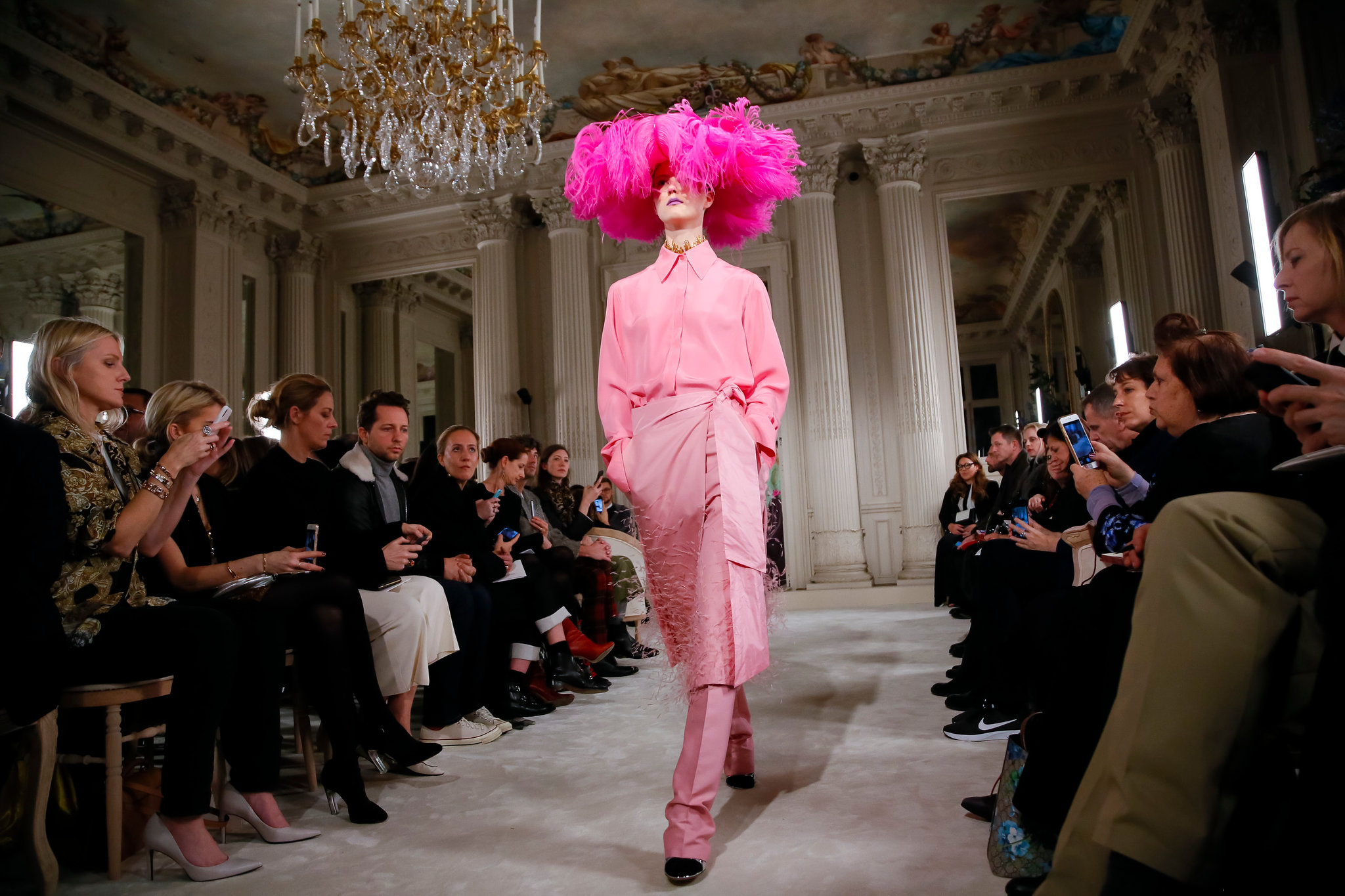
The topic “Why We Cover High Fashion” draws directly from a 2018 New York Times piece by their fashion director and chief critic, Vanessa Friedman, who explained the relevance of haute couture despite its exclusivity. High fashion—often called haute couture or luxury designer collections—remains a cornerstone of media coverage in outlets like Vogue, Elle, The New York Times, and Business of Fashion. But why dedicate pages, runways, and endless commentary to garments few will ever own?
High fashion isn’t just about pretty clothes; it’s a cultural mirror, an innovation lab, and a massive economic driver. Covering it allows journalists, editors, and publications to explore creativity at its peak while influencing broader trends that eventually reach everyday wardrobes. Let’s dive into the reasons publications invest heavily in this coverage, blending artistry, business savvy, and societal reflection.
The Artistic Pinnacle: High Fashion as Living Art
High fashion represents the ultimate expression of design artistry. Couture pieces are handmade with exceptional craftsmanship—think hours of hand-beading, custom draping, and rare materials.
These collections push boundaries that ready-to-wear can’t touch. Designers experiment freely without mass-production constraints, creating works that feel more like sculpture or performance than clothing.
When a publication covers a Chanel or Dior couture show, it’s documenting not just fashion but cultural moments. Remember Alexander McQueen’s dramatic runway theatrics or Iris van Herpen’s 3D-printed gowns? They become historical artifacts.
Innovation That Trickles Down to Everyday Style
One core reason we cover high fashion is its role as the “source code” for trends. Ideas born on couture runways filter down—sometimes over years—to high street stores.
A exaggerated silhouette from Balenciaga might inspire a more wearable version at Zara two seasons later. Coverage helps track this flow, showing readers how elite creativity shapes accessible fashion.
Without reporting on couture, we’d miss understanding why certain colors, cuts, or fabrics suddenly dominate. It’s predictive journalism at its best.
Economic and Business Imperative
High fashion fuels a multi-billion-dollar luxury industry. Coverage isn’t vanity; it’s business reporting.
Haute couture rarely turns profit directly—most houses lose money on it—but it builds brand prestige. That aura sells perfumes, handbags, ready-to-wear, and licensing deals worth far more.
Publications cover it to analyze these strategies. Business of Fashion often scrutinizes how brands use couture for image-building, much like tech firms showcase concept cars.
Luxury conglomerates like LVMH and Kering dominate headlines because their couture efforts impact stock prices and global economies.
Cultural and Social Reflection
Clothes tell stories about who we are as a society. High fashion amplifies those narratives through exaggeration.
During times of crisis or change, couture often responds—think post-war New Look by Dior symbolizing optimism or recent collections addressing sustainability and identity.
Fashion journalism has evolved to tackle serious issues: labor conditions, environmental impact, diversity on runways. Covering high fashion allows deep dives into these topics, as luxury brands face the same scrutiny as fast fashion.
Robin Givhan, a Pulitzer-winning critic, has long argued that fashion deserves serious coverage because it’s universal—everyone wears clothes, and high fashion sparks conversations about beauty, power, and identity.
Historical Legacy of Fashion Media
Fashion journalism has roots in the 19th century with plates in magazines like Harper’s Bazaar. By the 1930s, Virginia Pope at The New York Times began serious reporting on Paris couture.
Eleanor Lambert helped legitimize American fashion in the mid-20th century. Outlets like Vogue and Elle built empires on aspirational coverage.
Today, that legacy continues. Even as digital disrupts print, September issues remain blockbuster events packed with couture inspiration.
Pros and Cons of Covering High Fashion
- Pros
- Drives massive engagement—readers love glamour and escapism.
- Positions publications as authorities in culture and style.
- Attracts high-value advertising from luxury brands.
- Sparks broader discussions on art, society, and economics.
- Cons
- Can seem elitist or disconnected from average readers.
- High costs for travel, shoots, and access.
- Risk of appearing too commercial or advertiser-influenced.
- Criticism for not covering ethical issues deeply enough in luxury.
Despite drawbacks, the benefits outweigh them for major outlets.
Comparison: High Fashion vs. Streetwear Coverage
High fashion often gets more editorial real estate because of its heritage and innovation role.
| Aspect | High Fashion Coverage | Streetwear Coverage |
|---|---|---|
| Focus | Craftsmanship, runway spectacle | Accessibility, cultural relevance |
| Audience | Aspirational, industry insiders | Younger, urban demographics |
| Influence | Sets long-term trends | Faster, viral adoption |
| Economic Scale | Luxury conglomerates | Independent brands + hype culture |
| Media Tone | Artistic critique | Lifestyle and social commentary |
Both matter, but high fashion’s coverage provides deeper historical context.
Where to Experience High Fashion Coverage
Major sources include:
- Vogue (vogue.com) for comprehensive runway reviews.
- Elle for accessible takes blending high and low.
- The Business of Fashion (businessoffashion.com) for industry analysis.
- The New York Times Fashion section for thoughtful criticism.
- Instagram and TikTok for real-time show moments.
Many offer free access to shows via live streams or digital covers.
People Also Ask
Why is haute couture still relevant today? Haute couture remains relevant because it drives brand prestige, inspires trends, and serves as an artistic laboratory—even if few buy the pieces directly.
Does high fashion influence everyday clothing? Yes, profoundly. Elements like colors, proportions, and fabrics from couture shows trickle down to mass-market brands over 1–3 years.
Why do fashion magazines focus so much on luxury? Luxury advertisers fund much of the industry, but coverage also reflects high fashion’s role in cultural innovation and aspiration.
What is the difference between high fashion and ready-to-wear? High fashion (haute couture) is custom-made, hand-crafted for a tiny clientele; ready-to-wear is mass-produced for wider sale but often draws inspiration from couture.
Is fashion journalism important? Absolutely—it documents creativity, critiques society through clothing, and holds the industry accountable on issues like sustainability.
FAQ
What exactly is high fashion? High fashion, or haute couture, refers to exclusive, custom-made clothing produced in small quantities by top designers, adhering to strict craftsmanship standards set by bodies like the Chambre Syndicale de la Haute Couture in Paris.
Why do people care about runway shows if they can’t buy the clothes? Runway shows are cultural events—like art exhibitions or theater—that spark inspiration, media buzz, and trend forecasting. They build desire that sells more accessible products.
How has coverage of high fashion changed in the digital age? It’s become more immediate with live streams, social media, and diverse voices. Publications now blend glamour with critical reporting on ethics, diversity, and business.
Can covering high fashion help everyday style? Definitely. Understanding couture helps readers spot emerging trends early, mix high-low looks, and appreciate quality craftsmanship in their own wardrobes.
Is high fashion coverage elitist? It can feel that way, but good journalism makes it relatable—showing how elite ideas influence street style and encouraging thoughtful consumption.
High fashion coverage isn’t about selling unattainable dreams; it’s about capturing creativity at its boldest. Next time you scroll a runway recap or flip through a glossy spread, remember: those extravagant gowns are more than fabric—they’re ideas shaping what we all wear tomorrow.