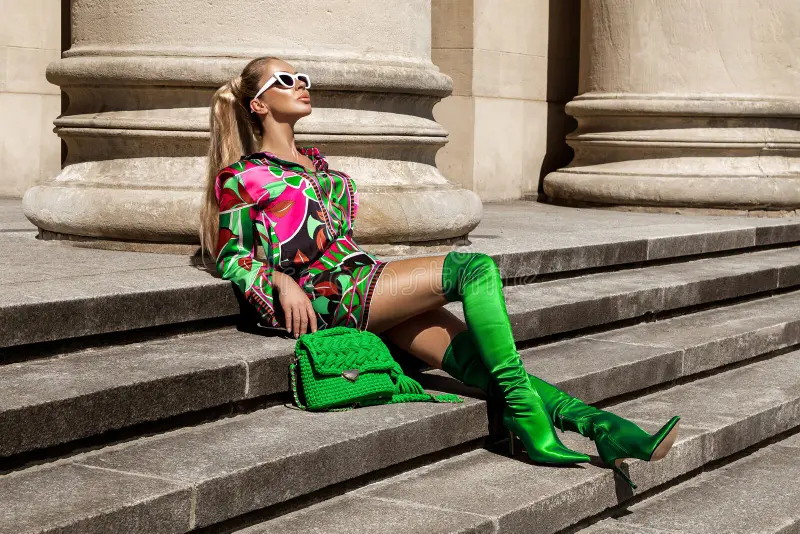
Street style has always been the heartbeat of real life fashion—the unfiltered, spontaneous looks people throw together on city sidewalks, subway platforms, and corner bodegas. What started as rebellion against stuffy dress codes has quietly (and then loudly) reshaped the entire high fashion world. Today, when you see a luxury runway show with oversized hoodies, chunky sneakers, or bold graphics layered over tailored pieces, you’re witnessing urban elegance in action. This isn’t just a trend; it’s a cultural shift where the streets dictate the direction, and the ateliers follow.
I remember walking through Brooklyn in the mid-2010s, spotting kids in Supreme box-logo tees mixed with vintage Levi’s, and thinking, “This feels more alive than anything coming down the Paris runways.” Fast forward a decade, and those same elements are now runway staples at houses like Louis Vuitton and Balenciaga. The story of street style influencing high fashion is one of democratization—taking power from ivory towers and handing it back to the people who wear clothes every day.
The Roots: Where Street Style Began Challenging the Elite
Street style didn’t burst onto the scene overnight. Its origins trace back to post-war youth cultures, but it really gained momentum in the 1970s and 1980s through punk, hip-hop, and skate scenes.
Back then, high fashion was about exclusivity—couture gowns, precise tailoring, and old-money polish. Street style flipped that script. In Harlem, Dapper Dan was bootlegging luxury logos onto tracksuits and bomber jackets for rappers who couldn’t afford the real thing but wanted the status. In London, Vivienne Westwood turned punk safety pins and bondage gear into provocative statements. These weren’t just clothes; they were declarations of identity from communities ignored by traditional fashion.
By the 1990s, grunge from Seattle brought flannel shirts, ripped jeans, and an intentional “I don’t care” vibe to the mainstream. Marc Jacobs famously channeled that for Perry Ellis in 1993, getting fired for it—but proving the streets had something powerful to say.
Key Milestones: When the Streets Crashed the Runway
The real turning point came with collaborations that forced high fashion to acknowledge street culture.
- Supreme x Louis Vuitton (2017): This was the moment everything changed. Kim Jones at Louis Vuitton took Supreme’s red box logo and plastered it across monogram trunks, hoodies, and skate decks. Lines formed around the world; pieces resold for insane markups. It wasn’t just a collab—it signaled that streetwear had arrived in luxury’s inner circle.
- Virgil Abloh and Off-White: Abloh, an architect-turned-designer, launched Off-White in 2013 with ironic quotes, industrial zip ties, and arrows. His Nike “The Ten” collection in 2017 reimagined classics like Air Jordans with deconstructed details. Then came his appointment as Louis Vuitton menswear artistic director in 2018—the first Black designer in that role—bringing street sensibilities directly to a heritage house.
- Demna Gvasalia at Balenciaga and Vetements: Oversized silhouettes, DHL-inspired tees, and IKEA-style shopping bags on the runway? That was Demna turning everyday urban chaos into high-concept fashion. His work made “ugly” chic and proved comfort could be luxurious.
These moments didn’t just sell clothes; they shifted power dynamics. Luxury brands realized younger consumers (Gen Z and millennials) valued authenticity over tradition.
How Street Style Elements Have Transformed High Fashion
Street style brings raw energy that high fashion often lacks. Here’s how key elements have crossed over:
- Oversized Silhouettes: Once a skate-punk necessity for movement, now a Balenciaga signature. Pros: Comfort and attitude. Cons: Can look sloppy if not balanced with tailoring.
- Graphic Tees and Logos: From Supreme’s bold prints to Off-White’s text-heavy designs, graphics add personality. Luxury houses now use them to inject fun into serious collections.
- Sneakers as Status Symbols: What began with Nike Air Force 1s on the streets is now couture-level footwear. Luxury sneakers outsell traditional heels in many markets.
- Layering and Mixing High-Low: Pairing a $10,000 coat with $100 jeans? Street style made that cool, and designers ran with it.
| Element | Street Origin | High Fashion Adoption | Impact on Luxury |
|---|---|---|---|
| Oversized Fits | Skate & hip-hop comfort | Balenciaga, Vetements runways | Shift to casual luxury |
| Bold Graphics/Quotes | Punk zines & hip-hop tees | Off-White, Gucci prints | Added irony & youth appeal |
| Sneakers | Urban basketball & skate | Dior x Air Jordan, LV trainers | Footwear now drives sales |
| Hoodies & Trackwear | Hip-hop & athletic wear | Chanel hoodies, Prada sportswear | Democratized exclusivity |
This table shows the clear trickle-up effect—streets innovate, runways refine.
Pros and Cons of the Street-to-High Fashion Crossover
Pros
- Makes fashion more inclusive and relatable
- Boosts sales through hype and resale markets
- Encourages creativity and cultural relevance
- Attracts diverse talent (designers from non-traditional backgrounds)
Cons
- Risk of cultural appropriation if not done respectfully
- Can dilute brand heritage (some purists argue luxury loses its edge)
- Fuels fast-fashion knockoffs and overconsumption
- Hype-driven drops create exclusivity that excludes average buyers
The balance is delicate, but when done right—like Pharrell Williams’ recent Louis Vuitton work blending joy and street roots—it feels authentic.
Current Trends: Urban Elegance in the 2020s and Beyond
In the 2020s, the fusion has matured. Quiet luxury tried to push back with understated cashmere, but street influences persist through techwear, gender-fluid pieces, and sustainable urban vibes. Brands like Fear of God and Palm Angels keep pushing elevated basics, while major houses experiment with hybrid collections.
Social media amplifies this—Instagram and TikTok street style accounts spot trends faster than any editor. Influencers in hoodies and tailored trousers show how to wear urban elegance daily.
People Also Ask
How has streetwear influenced luxury fashion? Streetwear brought casual comfort, bold branding, and youth culture into luxury, leading to collaborations like Supreme x Louis Vuitton and designers like Virgil Abloh reshaping major houses.
What is the difference between street style and high fashion? Street style is organic, worn by everyday people for expression; high fashion is designer-driven, often conceptual and expensive. The gap has narrowed as street elements appear on runways.
Who are the key designers bridging street and high fashion? Virgil Abloh (Off-White/LV), Demna Gvasalia (Balenciaga), Kim Jones (LV/Dior), and Pharrell Williams (LV) have been pivotal in merging the two worlds.
Is streetwear still influential in 2025? Yes—it’s evolved into luxury streetwear hybrids, with ongoing collabs and street-inspired elements in most major collections.
Where can I buy luxury streetwear pieces? Official brand sites (Louis Vuitton, Balenciaga), resale platforms like GOAT or StockX, and department stores like Selfridges or Saks for collabs and elevated basics.
FAQ
What exactly is urban elegance in fashion? It’s the blend of street edge—think hoodies, sneakers, and bold graphics—with high-fashion polish like premium fabrics and precise cuts. It feels effortless yet elevated.
Why do luxury brands keep collaborating with streetwear labels? To stay relevant to younger buyers who prioritize authenticity and culture over tradition. These partnerships generate massive buzz and revenue.
Has the influence slowed down recently? Not really. While “quiet luxury” had a moment, street elements like oversized tailoring and sportswear hybrids are still dominant in 2025 collections.
Can regular people pull off street-influenced high fashion? Absolutely. Start small—pair designer sneakers with jeans, or layer a luxury hoodie under a blazer. The beauty is in mixing high and low.
What’s next for this trend? More sustainability focus, tech integrations (like smart fabrics), and even deeper cultural storytelling from diverse voices.
This tale of urban elegance isn’t finished. The streets will keep inspiring, and high fashion will keep listening—because in the end, the most powerful looks come from real life, not just the runway. What’s your favorite street-to-runway moment? Drop it in the comments; I’d love to hear.