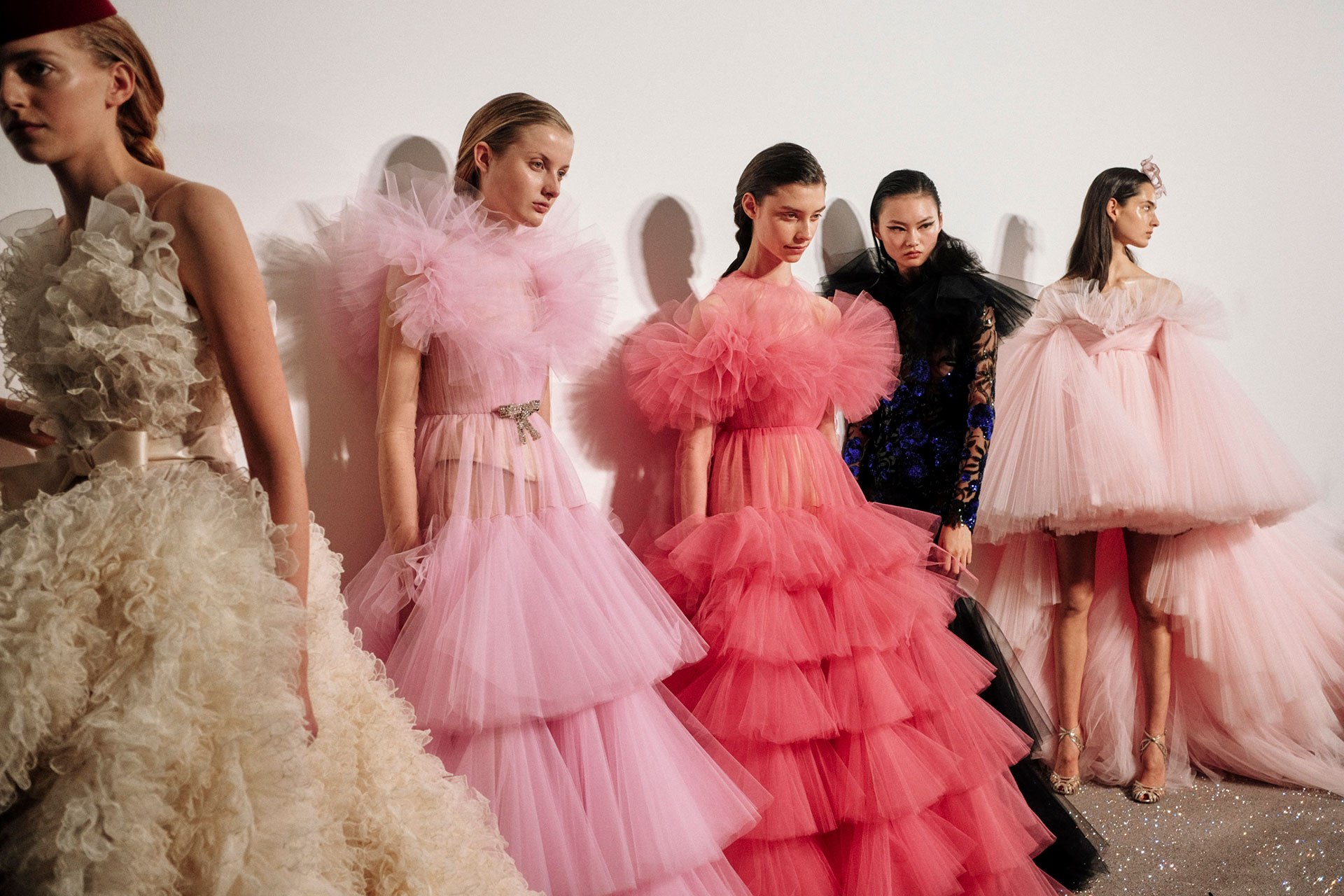
The topic “Why We Cover High Fashion” draws directly from a thoughtful piece by The New York Times fashion critic, who explained the enduring relevance of haute couture and high fashion coverage in media. As someone who’s followed fashion for years—not as an insider, but as an observer who’s attended a couple of runway shows in my early career days and pored over countless editorials—I’ve always believed covering high fashion isn’t about chasing glamour for its own sake. It’s about documenting creativity at its peak, understanding cultural shifts, and recognizing how these extravagant pieces ripple into everyday life.
High fashion, particularly haute couture, represents the pinnacle of design where clothes become more than fabric—they’re statements, experiments, and sometimes pure art. We cover it because it matters beyond the runway.
What Exactly Is High Fashion?
High fashion refers to the most exclusive, innovative, and often custom-made clothing produced by top designers and houses. Haute couture, the French-regulated term, involves handcrafted pieces made-to-order with rigorous standards: at least 50 percent handmade, specific atelier requirements, and presented in Paris twice a year.
These aren’t mass-produced items you grab off a rack. They’re labors of love, often costing tens or hundreds of thousands, created for a tiny clientele or as showcases of skill.
Yet their influence stretches far wider than that elite circle.
The Artistic Core of High Fashion
High fashion functions as wearable art. Designers use runways to push boundaries—testing wild materials, silhouettes, and concepts that ready-to-wear collections can’t always risk.
Think of it like a gallery opening: the pieces might not hang in your living room, but they spark conversations about beauty, identity, and innovation.
I’ve stood in the Met’s Costume Institute exhibitions and felt the energy—the crowds buzz louder here than at painting shows because clothing connects so personally. Everyone wears something daily, so these extremes make us reflect on our own choices.
Why Media Outlets Prioritize Coverage
Fashion publications and newspapers cover high fashion because it drives cultural dialogue. A single couture collection can comment on politics, gender, sustainability, or history.
For instance, when designers incorporate diverse models or address social issues, it amplifies broader movements. Coverage isn’t just pretty pictures; it’s journalism tracking how aesthetics mirror society.
Plus, high fashion fuels the entire industry. Trends from couture filter down— a dramatic sleeve or bold color might inspire high-street versions months later.
Economic Ripple Effects
High fashion isn’t isolated; it’s a major economic driver. The luxury sector employs thousands in craftsmanship, from embroiderers to feather workers in Paris ateliers.
Coverage boosts brand visibility, which supports sales of more accessible lines like ready-to-wear, fragrances, and accessories—the real revenue engines.
Without media spotlight on couture shows, many houses would lose prestige that sustains their business models.
Here’s a quick comparison:
| Aspect | Haute Couture / High Fashion | Ready-to-Wear / Fast Fashion |
|---|---|---|
| Production | Handmade, custom, limited | Mass-produced, factory-based |
| Price Range | $10,000–$500,000+ | $20–$500 |
| Purpose | Artistic expression, brand prestige | Commercial sales, trends |
| Influence | Sets long-term directions | Immediate, volume-driven |
| Economic Role | Supports artisanal jobs | High employment in manufacturing |
This trickle-down effect keeps the ecosystem alive.
Cultural and Social Significance
High fashion shapes identity and status. Wearing (or aspiring to) certain looks signals belonging or ambition.
Historically, Charles Frederick Worth founded haute couture in the 1860s, turning dressmaking into a creative profession. Today, it reflects diversity efforts, sustainability pushes, and global influences.
We’ve seen collections drawing from non-Western traditions, sparking debates on appropriation versus appreciation. Coverage helps navigate these conversations thoughtfully.
It also democratizes aspiration—even if most can’t afford a Dior gown, seeing it inspires personal style tweaks.
The Runway as Theater and Innovation Lab
Runway shows for high fashion often feature “unwearable” pieces—towering headpieces, impossible volumes—to showcase technique and storytelling.
These extremes aren’t practical; they’re declarations. A feathered cape might highlight artisan skill, while an architectural dress experiments with form.
Media coverage captures this theater, making abstract ideas accessible. Without it, the innovation stays hidden in ateliers.
Pros of covering these extravagant shows:
- Highlights craftsmanship and heritage skills
- Sparks public interest in fashion as art
- Drives trends that reach everyday wardrobes
- Builds cultural narratives around beauty and expression
Cons:
- Can seem out-of-touch amid real-world issues
- Reinforces exclusivity and wealth gaps
- High production costs raise sustainability questions
Yet the balance tips toward value—coverage educates and inspires more than it alienates.
Personal Reflection: My First Couture Encounter
Years ago, I snuck into a Paris couture presentation (strictly observer status—no invites for me then). The lights dimmed, music swelled, and models glided out in gowns that defied gravity. One dress, layers of tulle hand-embroidered with thousands of beads, took my breath away—not because I wanted to own it, but because it felt like witnessing magic made real.
That moment stuck: high fashion isn’t frivolous; it’s human ingenuity pushed to extremes. Covering it means preserving those moments for readers who might never see them live.
How High Fashion Influences Everyday Style
Even skeptics benefit. That exaggerated shoulder from a Schiaparelli show? It softens into padded blazers at Zara a season later. Bold prints from Valentino appear in high-street dresses.
Media bridges this gap, explaining origins so people adapt ideas thoughtfully.
Challenges in Modern Coverage
Today, digital media and social platforms change everything. A TikTok of a wild runway look reaches millions instantly—sometimes outpacing traditional coverage.
Yet print and in-depth articles provide context: history, interviews, analysis that short clips miss.
Brands even launch their own magazines (Chanel, Dior) to control narratives, but independent voices remain crucial for balanced views.
People Also Ask
What is the difference between high fashion and haute couture? Haute couture is the legally protected, made-to-order Paris tradition with strict rules. High fashion is broader, encompassing luxury ready-to-wear and avant-garde design worldwide.
Why do fashion shows have unwearable clothes? They’re artistic showcases—demonstrating skill, fabrics, and concepts. The runway acts as an exhibition, building brand aura and press buzz that sells more wearable items.
Does high fashion affect normal people’s clothes? Absolutely. Trends originate there and trickle down through fast fashion and high-street brands, influencing silhouettes, colors, and details you see everywhere.
Is high fashion only for the rich? Primarily yes for purchasing couture, but its cultural impact, inspiration, and trendsetting reach everyone through media, museums, and adapted styles.
Why cover haute couture in newspapers like The New York Times? Because it’s universal—everyone dresses. It reflects culture, art, and innovation, and coverage documents these evolutions as seriously as any other creative field.
FAQ
Why do magazines feature clothes most readers can’t afford? To showcase aspiration, artistry, and trends. The coverage inspires, educates on style evolution, and drives interest in accessible versions from the same brands or influenced lines.
How does high fashion impact culture? It mirrors and shapes societal values—commenting on identity, politics, and change. From feminist messages in Dior to diverse casting, it influences broader conversations.
Is high fashion sustainable? Mixed. Couture uses small quantities and skilled labor, but extravagance raises concerns. Many houses now prioritize ethical sourcing and upcycling—coverage highlights progress.
Can high fashion be considered art? Yes—many experts view it as such. Pieces end up in museums like the Met, where they’re studied for technique, history, and expression.
Why has coverage shifted to digital? Speed and reach. But thoughtful, long-form pieces remain vital for depth, preserving fashion’s role in cultural history.
In the end, we cover high fashion because it tells stories about who we are, what we value, and where we’re headed. It’s not always practical, but it’s profoundly human. The next time you see a wild runway photo, remember: beneath the spectacle lies real creativity worth celebrating.